Key Takeaway: An esthetician risk assessment involves identifying potential issues at your practice, assessing their severity, and implementing measures to mitigate them. It helps you create a safer environment, protecting your clients and business.
From a lash lift gone wrong to an unexpected wax burn, complications can happen to even the most experienced estheticians. Performing regular risk assessments at your business helps you spot risks and take action before they turn into problems.
Get your free risk assessment checklist template below!
Protecting your esthetics business is a bit like a great skincare routine. Start with regular risk assessments to target problem areas and finish with esthetician insurance as a final protective layer against costly client claims.
Why Regular Risk Assessments Matter
Clients trust you to bring out the glow in their skin, but sometimes accidents happen. Conducting risk assessments regularly helps to systematically lower the chance of things going wrong — because you’re more aware and in control.
On top of enhancing safety, risk assessments boost your professional credibility and communicate to your clients that you care about doing things right. Plus, with your esthetician license on the line, assessments help ensure your practice is compliant.
Imagine this: A client accuses you of causing permanent facial scarring and claims $90,000 worth of damages. It’s a real story — a woman claims that a celebrity facialist burned her skin with a chemical peel and shared the entire story on social media.
You might know better than to use medical-grade products or out-of-scope microneedling, but a client could forget to tell you about a skin allergy, or your wax warmer could malfunction. If that happens, you’re not immune to a scathing public callout or a costly lawsuit.
TL;DR: Risk assessments ultimately help protect your business from expensive “oh no” moments that can cost you big.
Pro Tip: Need to assess risk for a full salon? Learn more about salon risk assessments.
Understanding Common Esthetician Risks
When it comes to understanding risks you face, you might think of obvious ones — like allergic reactions to products or eye injuries from sharp tools, but hazards lurk everywhere you operate. These are some common oversights in esthetics:
- Skipping a patch test for returning clients
- Not verifying wax temperature before application
- Overlapping peel layers or extending exposure time
- Using lash adhesives without checking humidity or air quality
- Failing to update health forms for clients on new medications (like Accutane)
- Not thoroughly understanding your insurance coverage or updating it for new treatments you offer
Many of the liability risks estheticians face can be reduced with practical safety checks through a risk assessment. Like your clients’ skin goals, enhanced protection at your practice is achievable with a targeted action plan and consistency.
How to Perform an Esthetics Risk Assessment
How to do an esthetician risk assessment:
- Identify risks at your practice
- Evaluate for likelihood and impact
- Take action to reduce risk
- Review regularly
At every step of your business operations, from setting up your studio to offering a specific service, ask the following questions:
- What can go wrong?
- How likely is it to happen?
- How much would it affect my business?
- What can I do to fix the issue?
Once you identify action items to address each risk, complete them and sign off on your risk assessment checklist. Store your documents securely, for example, organized by date on your business computer.
Lowering risk within your esthetics business is a continuous process, so be sure to perform your assessment weekly or monthly, and whenever you add new services.
Step-by-Step Guide to the Esthetician Safety Checklist
Let’s walk through the main categories on your esthetician risk assessment, how to evaluate them, and solution examples.

Client Consultation and Health Screening
Every excellent service starts with a thorough consultation. They’re crucial for understanding your client’s skin goals and catching every small detail to avoid serious reactions down the line.
Use this time to sleuth out relevant medical or treatment notes that can affect your work. Clients commonly misjudge what’s important to inform you on, so implement a detailed intake form to take the guesswork out of screening.
Common Risks
- Clients forgetting to disclose new medications
- Incomplete intake forms or outdated medical history
- Skipping patch tests for familiar clients or regular treatments
- Misjudging skin type or not noticing contraindications for peels and exfoliants
Evaluation
- Likelihood: High (clients often omit details unintentionally)
- Impact: High (chemical burns, allergic reactions, or infections)
Solution Example
- Implement an intake form that requires clients to confirm recent medication or cosmetic changes
Treatment-Specific Checks
- Facials: Note any active skin conditions (acne, eczema, etc.) that could be aggravated
- Waxing: Ask about retinoid use or exfoliation in the past 72 hours
- Peels: Confirm retinoid use, exfoliation, Fitzpatrick skin type, and any contraindications, like open lesions
- Lash services: Note recent eye infections, makeup use, or contact lenses
Product and Chemical Handling
Products make up a large part of your services, and they’re only safe if they’re handled and used properly. Ensure your serums, peels, exfoliants, lotions, and adhesives are organized and labeled so you don’t accidentally use the wrong solution and cause an allergic reaction.
Common Risks
- Expired or contaminated products
- Incorrect pH levels for peels or serums
- Inconsistent wax temperature control
- Lash adhesives reacting to humidity or poor storage
Evaluation
- Likelihood: Medium to high (especially at busy studios)
- Impact: High (chemical or physical burns, allergic reactions)
Solution Example
- Create a product log with expiration dates and open-date labels.
Treatment-Specific Checks
- Patch tests: Perform before services and record results clearly
- Waxing: Test wax temperature on wrist before each use, stir wax evenly to avoid hot spots, and always use disposable spatulas
- Peels: Verify pH and concentration before applying, use a timer, and neutralize thoroughly after treatment
- Lash adhesives: Store between 60–75°F for ideal humidity and discard opened bottles after 4–6 weeks
Equipment and Sanitation
Every piece of equipment used for multiple clients must be sanitized before and after each use to avoid potential bacterial contamination. Clean your tools, equipment, and all surfaces thoroughly. Create a log that lists everything that needs to be sanitized, so you never miss any items.
Common Risks
- Reusing single-use applicators
- Inconsistent disinfection of tools or surfaces
- Malfunctioning steamers, broken cords, or other equipment
- Cross-contamination from towels or gloves
Evaluation
- Likelihood: Medium
- Impact: High (client infections or health department citations)
Solution Example
- Implement a post-client sanitation process, including wiping all surfaces with 70% alcohol and replacing all single-use tools.
Treatment-Specific Checks
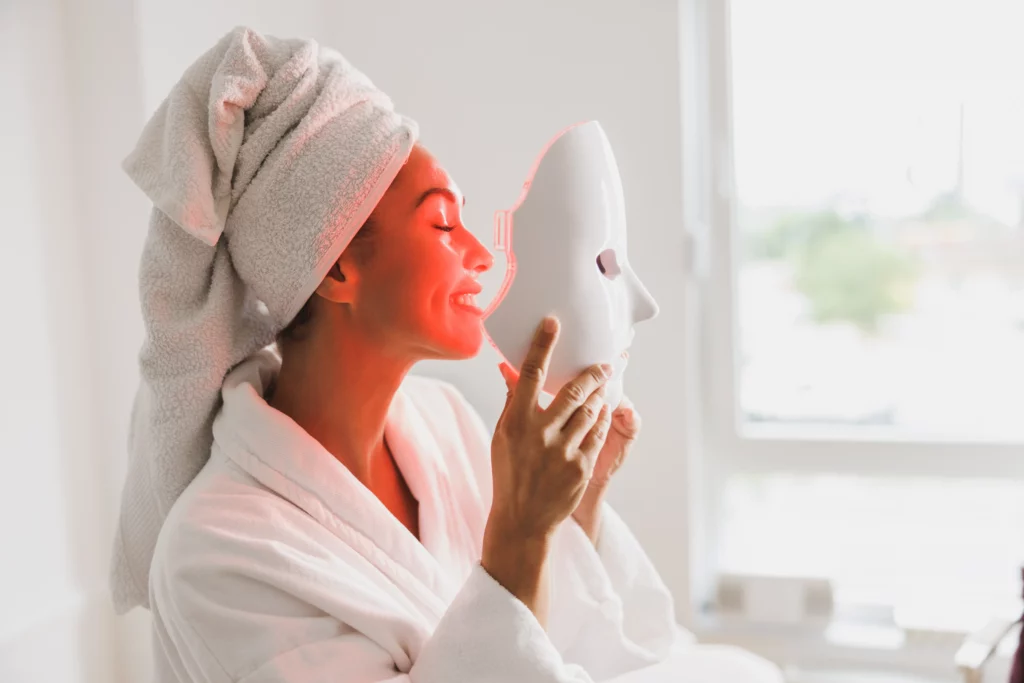
- LED therapy: Wipe masks with alcohol after every client
- Steamers: Empty and disinfect water tanks daily
- Microdermabrasion: Replace filters and disinfect after each use
- Hot towel cabinets: Clean and leave open overnight to air dry
Workplace Safety and Ergonomics
Keeping your business safe extends to yourself, too! Long hours and improper setup can lead to injuries that shorten your career, so make your space comfortable — it’ll help you perform better work in the long run.
Common Risks
- Poor posture or incorrect table height causing strain
- Slips or electrical hazards from spills, tangled cords, or clutter
- Inadequate ventilation, especially with adhesives or peels
- Insufficient lighting for lash or brow services
Evaluation
- Likelihood: Medium to high (especially in compact spaces)
- Impact: Medium to high (chronic pain or loss of income)
Solution Example
- Add an anti-fatigue mat to your station and ensure proper breaks are scheduled in between sessions.
Insurance and Legal Risks
No matter how experienced or careful you are, you never know when unexpected claims or audits on your esthetics business might happen. Your insurance coverage and proper documentation help you stay prepared and recover more quickly if something goes wrong.
Common Risks
- Lapsed or insufficient professional liability coverage
- Missing client documentation or unsigned consent forms
- Poor incident notes following an adverse reaction
- Missed state board sanitation requirements
Evaluation
- Likelihood: Medium (especially for solo practitioners)
- Impact: Very high (financial and reputational damage to business)
Solution Example
Set an annual reminder to review your insurance coverage and thoroughly understand what is and isn’t covered. Read more: Beauty Insurance 101.

Independent Contractor Considerations
Working independently means more freedom to work how you want, with full responsibility for your business. Without employer coverage to fall back on, you face unique risks, such as legal liability for all the services you offer.
Even if you share a space with other independent beauty pros, your insurance and operations need to be in tip-top shape — you alone are liable for accidents caused (even unintentionally) by your work.
Common Risks
- Assuming the spa’s insurance covers your treatments
- Inconsistent sanitation practices across shared spaces
- Storing personal products or tools in common areas
- Lack of clear contracts defining liability or maintenance duties
Evaluation
- Likelihood: High (unclear rules or expectations in booth renter relationships)
- Impact: Very high (risk of personal liability or legal disputes)
Solution Example
- Secure your own professional and general liability policy, store your supplies separately, and sanitize your workspace before and after every use.
BBI: Polish Your Protection Plan
Risk assessments are a smart first step in protecting your business, but you also need ?esthetician insurance as a financial safety net — in case risks become real problems. This essential coverage is designed to pay for third-party claims, such as client injuries, allergic reactions, or property damage caused by your practice.
Beauty & Bodywork Insurance (BBI) offers top-rated esthetician insurance from $9.99/month, combining general and professional liability coverage into one easy policy. Plus, get options for your tools and supplies, data breaches, and more.
Together, risk assessments and liability coverage work to safeguard your esthetics business at every step, giving you peace of mind to focus on what you love. Confidently reveal your clients’ best skin, knowing you’re proactively protecting your business by reducing risk and carrying comprehensive insurance.
Read more
FAQs About Esthetician Risk Assessments
What Are the Top Liability Risks Estheticians Face?
The top liability risks estheticians face include:
- Allergic reactions
- Chemical burns
- Skin infections
- Slip-and-fall accidents
- Injuries due to faulty equipment
Protect your business against common claims with esthetician insurance from BBI. Buy your policy online in minutes!
Do I Need Insurance for Every Risk Identified in the Checklist?
You don’t need insurance for every risk outlined by your assessment checklist — some are not as serious or as likely to happen. That said, BBI’s esthetician insurance is specifically tailored for beauty businesses and covers the most common liability risks your industry faces.
From skin reactions that don’t surface until days later to a client claiming your services failed to deliver, esthetician insurance protects your business, so you can work confidently.
How Often Should I Do a Liability Risk Assessment for My Esthetics Practice?
How often you should do risk assessments depends on your specific business. For example, a full-time esthetician might need to do them more frequently than someone working part-time. Generally, aim for weekly or monthly assessments, and update them promptly whenever you add a new service.

JoAnne Hammer | Program Manager
JoAnne Hammer is the Program Manager for Beauty and Bodywork Insurance. She has held the prestigious Certified Insurance Counselor (CIC) designation since July 2004.
JoAnne understands that starting and operating a business takes a tremendous amount of time, dedication, and financial resources. She believes that insurance is the single best way to protect your investment, business, and personal assets.
JoAnne Hammer is the Program Manager for Beauty and Bodywork Insurance. She has held the prestigious Certified Insurance Counselor (CIC) designation since July 2004.
JoAnne understands that starting and operating a business takes a tremendous amount of time, dedication, and financial resources. She believes that insurance is the single best way to protect your investment, business, and personal assets.