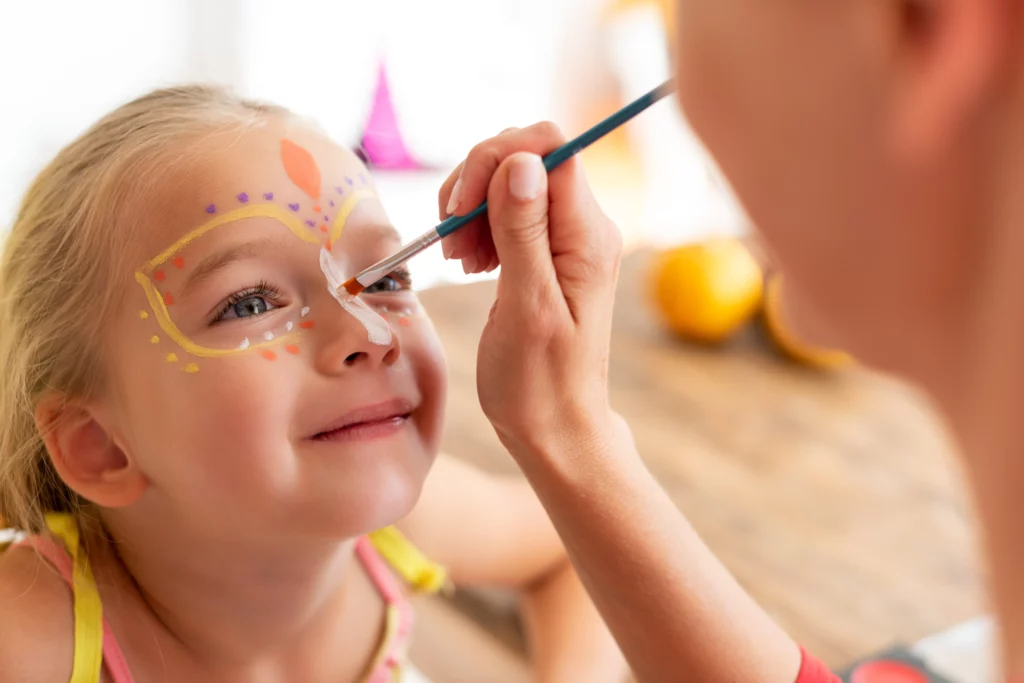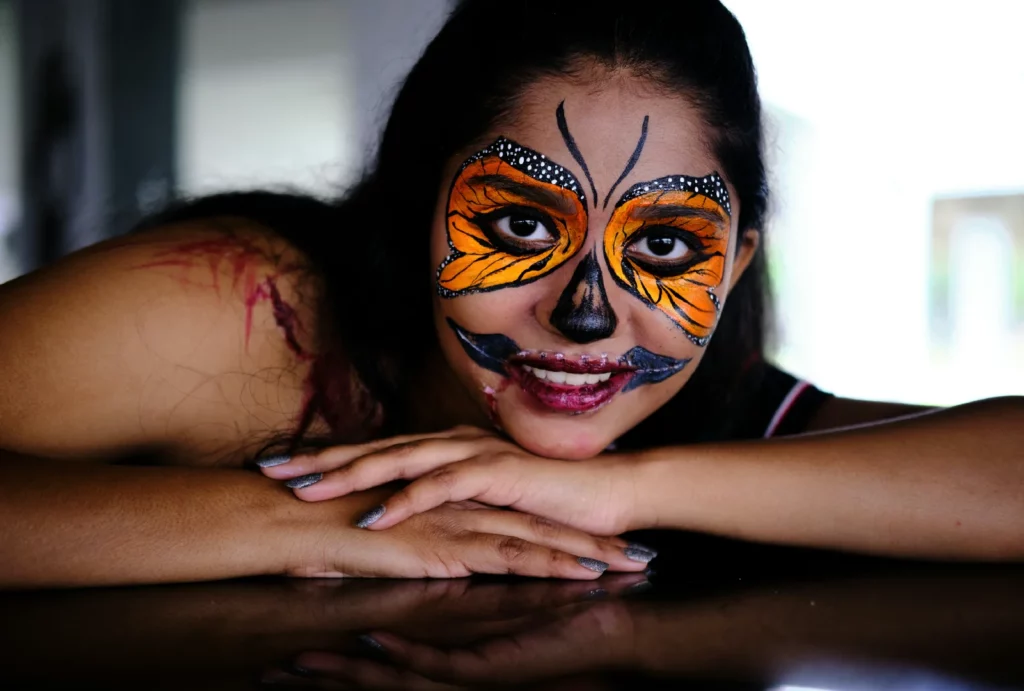
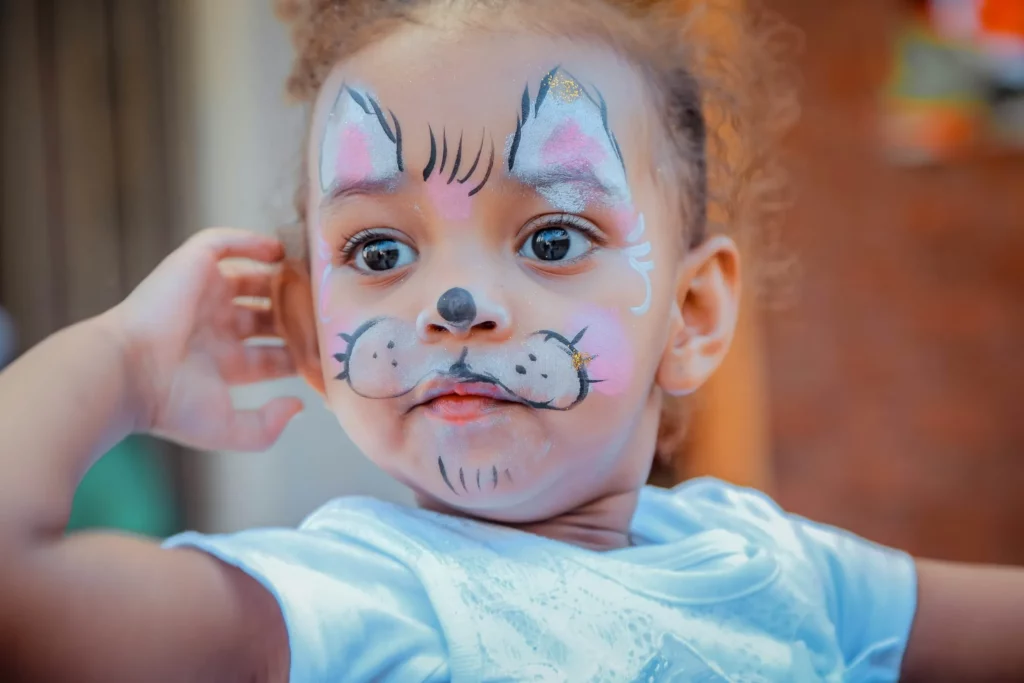
It’s a bird! It’s a butterfly! It’s face paint!
If people keep telling you, “You should charge for this,” they’re not wrong. Turning face and body painting into a successful business is primarily about doing three things well: a clean, repeatable setup that keeps clients safe, fair yet competitive pricing that helps you turn a profit, and the proof-of-professionalism stuff events require, like liability insurance.
TL;DR: Your Face Painting Business Launch Checklist
- Research your local market and choose what type of business you want to run
- Choose a name and register your business (if required)
- Get your supplies
- Protect your new business with face painting liability insurance
- Set your service types and prices
- Market your business
Step 1: Research and Decide What Type of Face Painting Business You Want to Run
Face painters typically work as contractors or vendors for events, festivals, theme parks, or private parties. For example, they often work as:
- Children’s birthday party entertainers
- Zoo or theme park artists
- Festival and fair vendors
- Seasonal event or holiday party entertainment
- Independent contractors with larger entertainment companies
- Multi-service makeup artists providing face paint, glitter tattoos, henna, and/or airbrushing
Knowing the kind of face painting work you want to do helps you with your market research. Market research is the process of gathering information about the needs and preferences of your business’s potential consumers. It’s the process of answering questions like:
- Is there a demand or desire for face painting services in general?
- How would you stand out from other face painters?
- Are there other face painters in the same area already?
- Would you need to travel, and how far are you willing to travel?
The answers to these questions inform your next steps and help you set realistic expectations for your face painting business. They’ll also help you determine things like:
- Licensing and registration requirements
- Insurance coverage needs
- Equipment neds
- Service pricing
Pro tip: Learn more about building your face painting business.
Step 2: Set Up Your Business Legally and Logistically
Once you know the type of face painting business you plan to start (kids’ parties, festivals and fairs, or makeup artistry with face and body painting), you can begin the essential logistical tasks.
Choose Your Face Painting Business Name
Selecting a face painting business name requires a bit of creativity. Your business name should reflect both your services and your personal brand.
Tips for creating your business name:
- Keep it simple and memorable
- Check name availability to avoid trademark conflicts
- Check website domain and social media availability
Register Your Business & Obtain Business Permits (If Required)
Depending on your business details and local laws, you may need to register your business with a Chamber of Commerce or Secretary of State office. Requirements vary by city and state, so make sure to check your local small business regulations.
Most individuals starting their own small businesses begin as sole proprietorships — someone working on their own as themselves. Established face painters with consistent work may choose to become an LLC (limited liability company) to create more legal separation between themselves and their business.
You may also need to register a DBA (Doing Business As) name. A DBA is basically an “aka” for your business, like if your name is Jennifer Smith but you work as Jenny Smiles or Jenny Paints. A DBA also helps with setting up a separate business bank account, if you need one.
Legal entities you may need to establish or register to start a business:
- Local business or vendor permits
- A business name or a DBA (Doing Business As)
- EIN (Employer Identification Number) for tax purposes
Step 3: Purchase Safety-Compliant Supplies
Face and body painting businesses have low startup costs partly because the necessary tools and supplies are relatively low-cost. Of course, you need the actual face paints, but don’t forget the other items, like:
- Brushes
- Sponges
- Stencils
- Setting spray
- Carrying cases
- Water and sanitation systems to clean your brushes
- Miscellaneous extras (glitter spray, press-on sparkles)
Make sure you use quality, FDA-compliant paint for best safety practices. Most face paints are Acacia Senegal Gum-based, paraffin wax-based, or glycerin-based. It’s crucial to know what your paints are made of to reduce the risk of triggering allergic reactions.
Professional face and body paint companies like Jest Paint recommend using water-activated paints, regardless of their base, because they’re dry to the touch but still wash off easily.
Remember to follow smart safety practices at every event.
- Follow product manufacturer guidelines
- Clean your supplies and bring fresh backups to events
- Keep ingredient information available at events in case of unexpected reactions
- Ask about relevant allergies or other conditions before applying products
- Have clients sign liability waivers to minimize your liability risk
Step 4: Get Face Painting Business Insurance
Business liability insurance is essential for anyone working with the public, including face and body painters. It’s designed to protect you (and your customers) from the financial consequences of third-party bodily injuries or property damage you unintentionally cause.
In many cases, you need face painter business insurance to qualify for local operating permits, licenses, or job contracts.
Why you need liability insurance for face painting businesses:
- To meet job and vendor requirements
- To meet potential legal operating requirements
- To provide employers, event organizers, and other clients with proof of insurance requests(also called a Certificate of Insurance)
- To help pay the costs of claims and lawsuits related to things like allergic reactions, slip-and-fall accidents, or damage to customer and venue property
What Kind of Insurance Do Face Painters Need?
Face and body painters need general liability and professional liability insurance, at a minimum, for the most common types of risks. General liability coverage is designed to cover physical injuries or property damage, like slip-and-fall accidents, allergic reactions, or spilled paint.
Professional liability coverage is designed to cover injuries and damages caused by mistakes in your work, like using the wrong kind of paint or parents accusing you of negligence.
Other important coverages include:
Quick Overview of Coverage Types
Swipe →
| Coverage Type | What It’s For | Example Scenarios |
|---|---|---|
|
General liability |
|
|
|
Professional liability |
|
|
|
Personal and advertising injury |
|
|
|
Products-completed operations |
|
|
|
Damage to rented premises |
|
|
|
Medical expense |
|
|
Pro tip: Beauty and Bodywork Insurance (BBI) offers all the above coverages in our base face and body paint liability policies for just $9.99/month or $96/year.
Depending on your specific business setup, you may need additional coverages to fill in gaps, like tools and supplies insurance. Examples include:
Learn more: Get additional details about all BBI’s included and optional coverage types.
Step 5: Set Pricing and Packages
The pay structure that works best for you likely depends on your specific business and needs. The most common structures include:
- Hourly rates
- Per-face rates
- Flat festival and party rates
When calculating your prices, remember to factor in things like:
- Your time and experience
- The cost of your supplies
- The cost of travel, if any
- Liability insurance costs
- Business or event permit/license/tax fees
Pro tip: Research local competitor prices and the costs of similar services in your area to discover where to start your own prices.
Step 6: Market Your Face Painting Business
Once you’ve got your business name and all your logistics worked out, start actively advertising! Here are a few of the best ways to get started:
- Ask friends and family to share your contact information for parties and other events
- Get business cards to share
- Create a social media business account
- Create your own website
- Make a Google Business Profile
- Get added to local vendor and event directories
- Attend vendor fairs
Content and strategy ideas include:
- Customer photos (with the consent of the people in the photos)
- Client testimonials
- Referral discounts
- Seasonal promotions
Get more ideas to market your face painting business with BBI’s free marketing planner for beauty and bodywork professionals.
Common Questions About Starting a Face Painting Business
Can I Work as a Face Painter at Multiple Locations With One Insurance Policy?
Yes. BBI face and body painter policies go with you, so you’re covered at every location.
How Much Does It Cost to Start a Face Painting Business?
Startup costs vary depending on your location and specific business needs. If you live in a city or state that requires face painters to get permits or licenses to work, your costs will be higher.
However, popular face painting brands list their most basic kits at around $35-$40, with more extensive professional kits at $100-$200. Liability insurance from BBI starts at $96/year, so you could potentially start a face painting business for as little as $200.
Do Festivals Require Face Painters to Have Insurance?
Yes, most festivals and events require individual vendors, like face painters, to carry their own liability insurance. They also typically require you to add them to your policy as an additional insured.
How Do I Add Additional Insureds to My Policy?
Add additional insureds when you purchase your initial policy by following the prompts at sign-up. You can also add them at any time after that through your online dashboard. Simply follow these steps:
- Log in to your dashboard
- Under “Manage policies,” select “Add landlord, employer, event” and add the name, address, and email of your additional insured
- Check out and pay
Additional insureds cost $15/year each, or $30/year for an unlimited number of additional insureds.